DEB's Audiology & Hearing Care
- +91 8850 769 404
- info@debsaudiology.com
- Follow Us :
Audiologist-led hearing care in Mumbai
Get Hearing Aids Right the First Time
At DEB’s Audiology, our RCI-certified audiologists in Mumbai combine clinical expertise with comprehensive testing to ensure you get the right hearing solution from day one, backed by lifetime support.
Audiologist-led hearing care in Mumbai
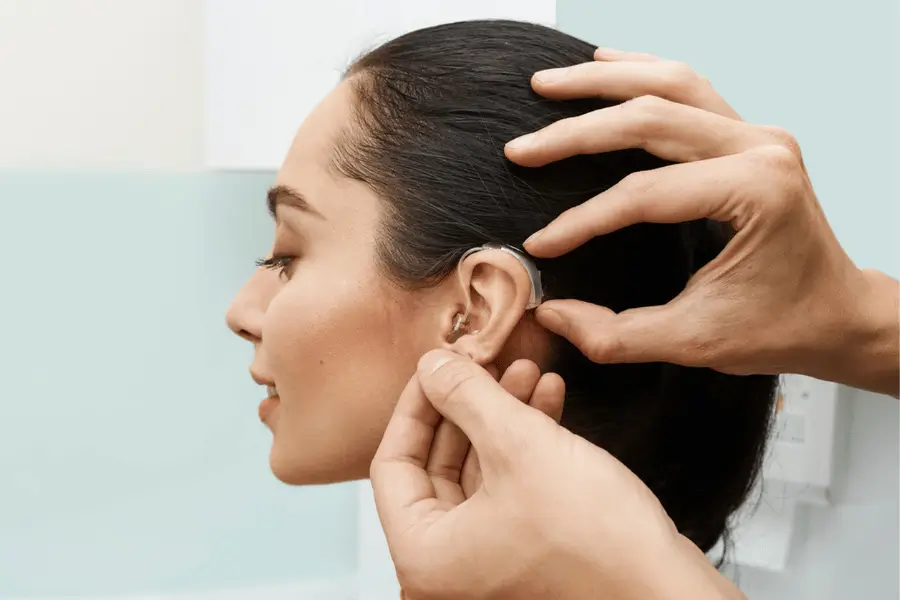
Get Hearing Aids Right the First Time
At DEB’s Audiology, Our RCI-certified audiologists combine clinical expertise with comprehensive testing to ensure you get the right hearing solution from day one, backed by lifetime support.




Why Do So Many Hearing Aids End Up in Drawers?
We often meet patients who have already purchased hearing aids elsewhere, yet are still struggling. Many have spent ₹1,50,000, ₹2,00,000, even ₹2,50,000+ on devices that now sit unused at home.
In most cases, the problem isn’t the hearing aid technology. It’s everything around it.
Rushed Hearing Assessments
Quick, checklist-style tests leave little time to understand real-world listening needs or daily challenges.
Sales-Led Device Selection
Recommendations are often driven by pricing or targets, rather than what will genuinely work for the patient.
Poor Fitting & Fine-Tuning
Even advanced hearing aids fail when they aren’t accurately fitted and adjusted over time.
Lack of Ongoing Support
After the sale, follow-ups, counselling, and adjustments are often missing, leading to frustration and abandonment.
THE DEB’S DIFFERENCE
Care That Begins with Listening
At DEB’s Audiology, hearing care is not a transaction — it’s a relationship.
We take the time to understand your hearing concerns, your lifestyle, and the challenges you face communicating with the people you love. Using detailed diagnostic evaluations, we recommend solutions only when they are truly right for you, and support you well beyond the first visit.
Most of our patients come to us through referrals — a quiet reflection of the trust we have built over the years and continue to work hard to earn.
Audiologist-Led Care, Every Time
Every consultation at DEB’s Audiology is conducted by RCI-certified audiologists, not sales staff.
This means your hearing is clinically assessed, medical issues are not missed, and solutions are tailored to your hearing — not pushed from a price list.
We Take the Time Your Hearing Deserves
Your first visit lasts 60–90 minutes, not a rushed 15-minute screening.
We evaluate not just what you hear in a quiet room, but how you understand speech in real-life situations that matter to you.
No Sales Pressure. No Commissions.
We don’t work on targets or incentives.
If hearing aids aren’t right for you yet — or if a simpler, less expensive option will work — we’ll tell you honestly.
Technology-Agnostic Recommendations
We work with multiple leading global hearing aid brands, so recommendations are based on your needs, not brand loyalty.
You’re guided through the best options for your hearing, lifestyle, and comfort — with clear reasoning.
Precision Fitting Based on Your Ear, Not an Average
Your ear canal isn’t average — its size, shape and venting all change how sound behaves inside it. Rather than relying on standard settings, we use in-situ audiometry, measuring your hearing thresholds directly through the hearing aid while it sits in your ear. Programming starts from your actual ear, not an estimate of it.
Aided Audiometry
We conduct an aided audiometry test to verify that the recommended hearing solution is programmed correctly and improving your ability to understand speech, not just detect sound. By testing your hearing with the hearing aids on, we ensure they deliver meaningful benefit in everyday listening situations.
Lifetime Care, Not 'Sold and Forgotten'
Your hearing changes, and so do the situations you need to hear in. Follow-up appointments, reprogramming, annual reviews and fine-tuning are included for as long as you wear your hearing aids — at no additional charge. Many of the patients we fitted more than twelve years ago still come to us.
Meet Your RCI certified Audiologists in Mumbai
After working at multiple hearing aid centers in Mumbai, Dr. Sarmistha and Dr. Nabarun saw too many patients fail, not because of bad devices, but because of rushed care and poor follow-up. They founded DEB’s Audiology to do things differently: comprehensive assessments, precision fitting, lifetime support. The result? Many of their very first patients, from over 12 years ago, are still coming to them today. That’s what happens when expertise meets genuine care.
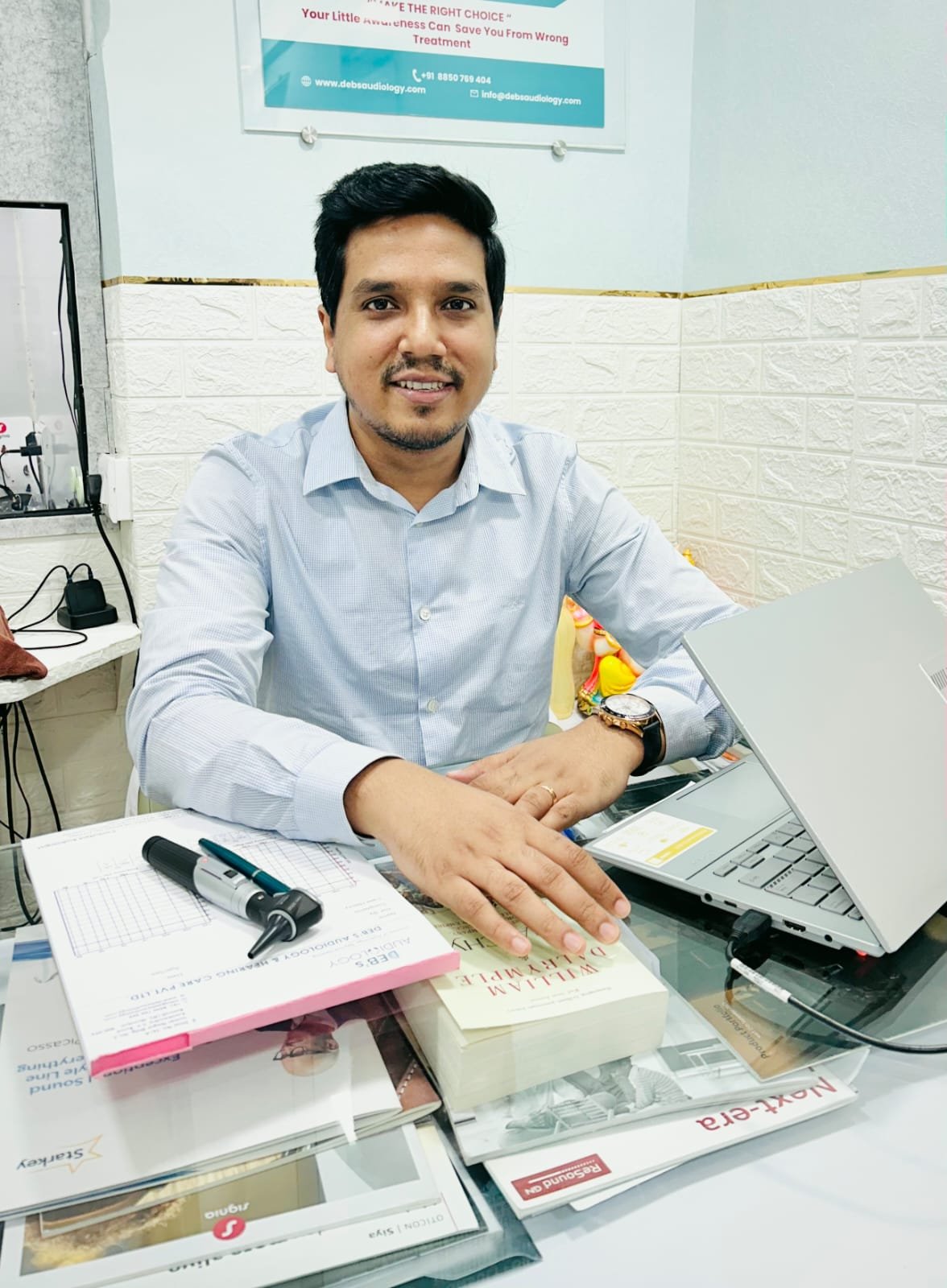
Dr. Nabarun Deb
Co-Founder & RCI Certified Audiologist
(Reg. No. A40466) |
14 Years Experience | Former Starkey Technologies Trainer |
5,000+ Successful Fittings
"Through years of working with leading hearing technology manufacturers and training audiologists across India, I gained a clear understanding of what works in hearing care, and what doesn’t. DEB’s Audiology was founded to bring that insight directly to patients, with a focus on clinical precision and honest guidance. Your success is the only metric that counts."
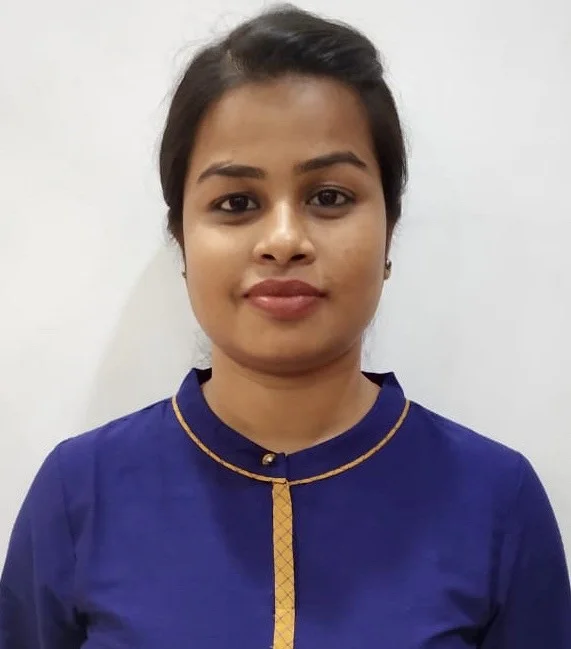
Dr. Sarmistha Nayak
Co-Founder & RCI Certified Audiologist
(Reg. No. A48411) |
11 Years Experience | 3500+ Successful Fittings
"I believe the most important part of my job isn't fitting hearing aids, it's listening. Really listening to what you're struggling with, what environments matter most, and what your concerns are. Only then can I create a solution that actually works for your lifestyle."
Dr. Sarmistha Nayak
Co-Founder & RCI Certified Audiologist (Reg. No. A48411) | 11 Years Experience |
3500+ Successful Fittings
"I believe the most important part of my job isn't fitting hearing aids, it's listening. Really listening to what you're struggling with, what environments matter most, and what your concerns are. Only then can I create a solution that actually works for your lifestyle."
Have a question or need guidance?
Brands We Partner With




Comprehensive Hearing Care for Every Stage of Life
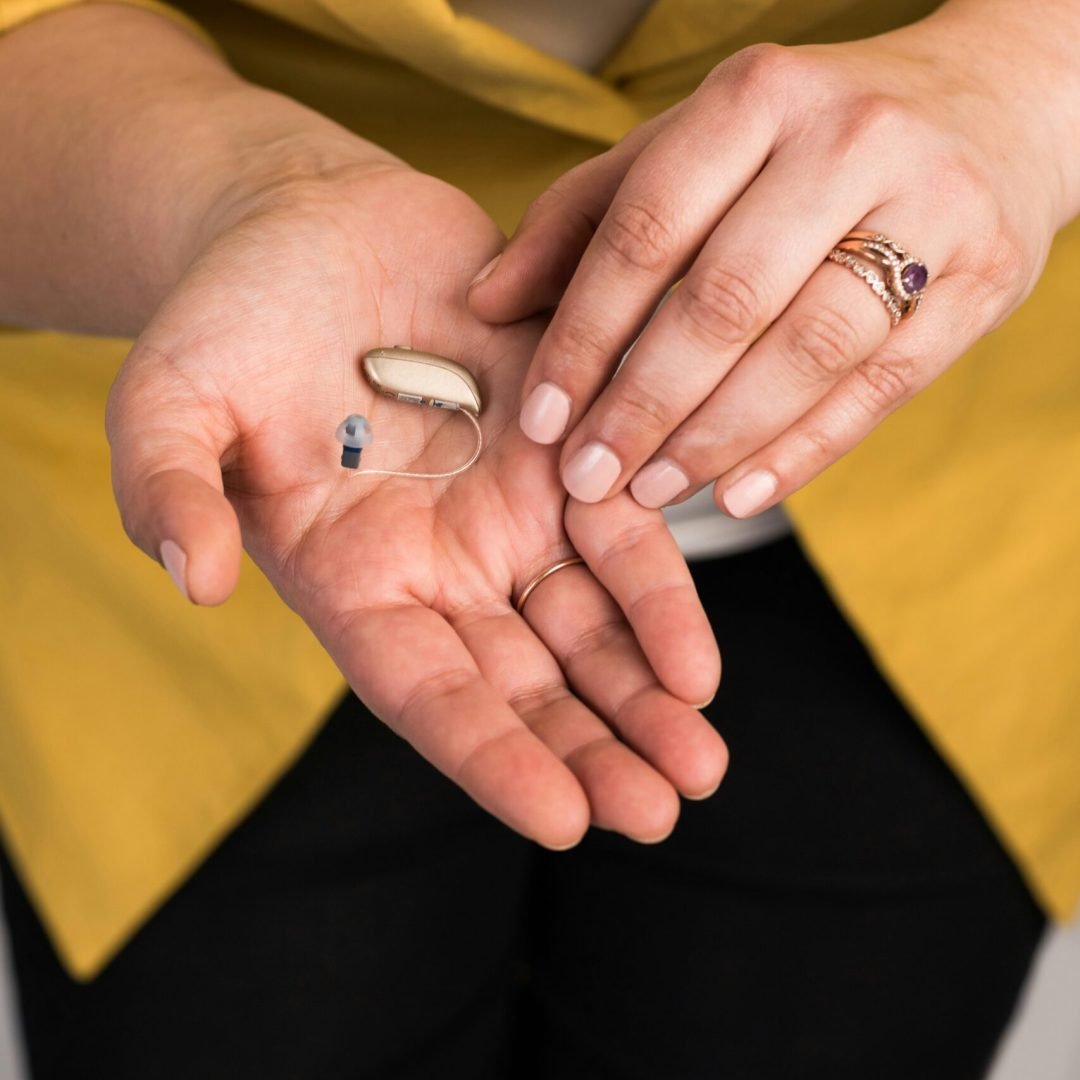
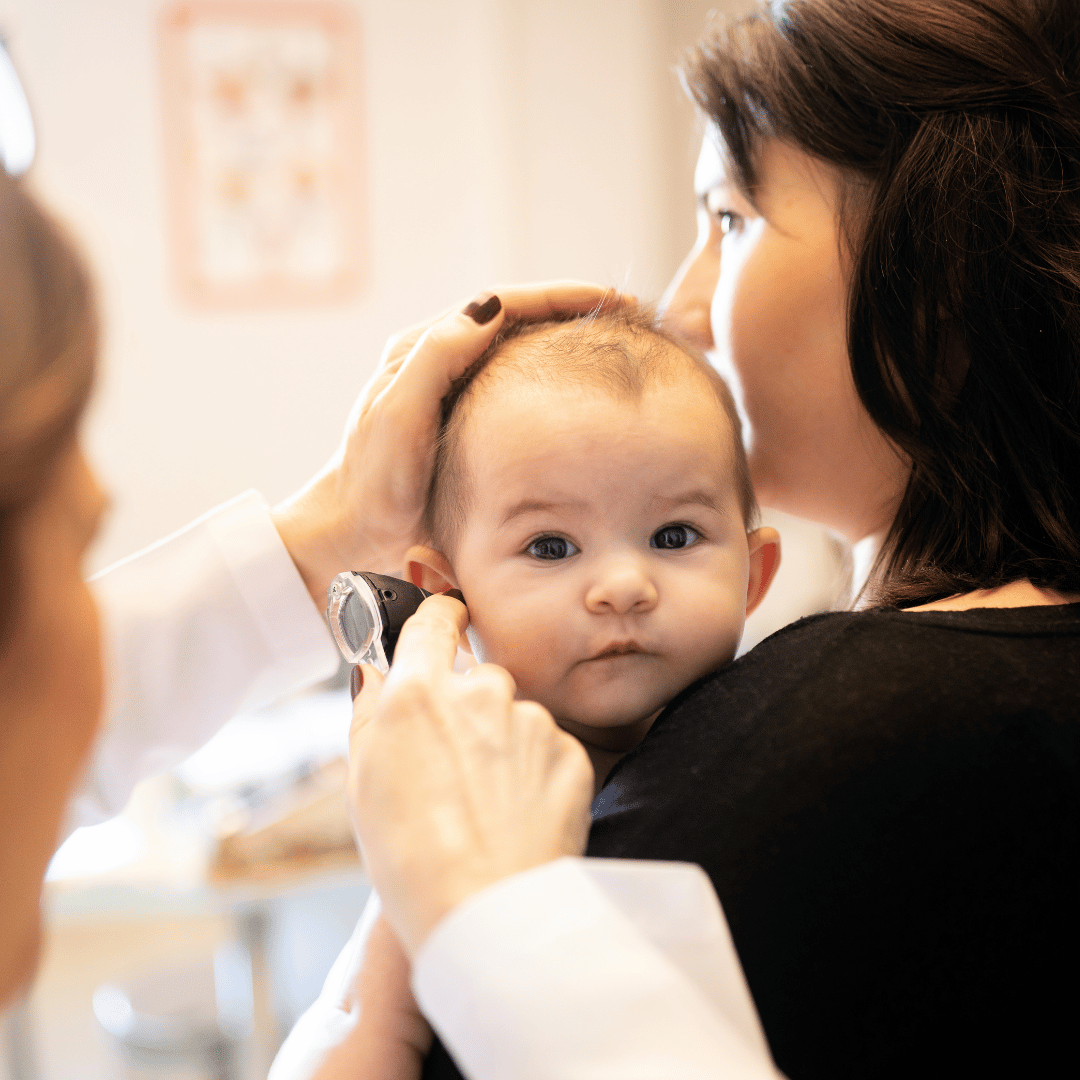
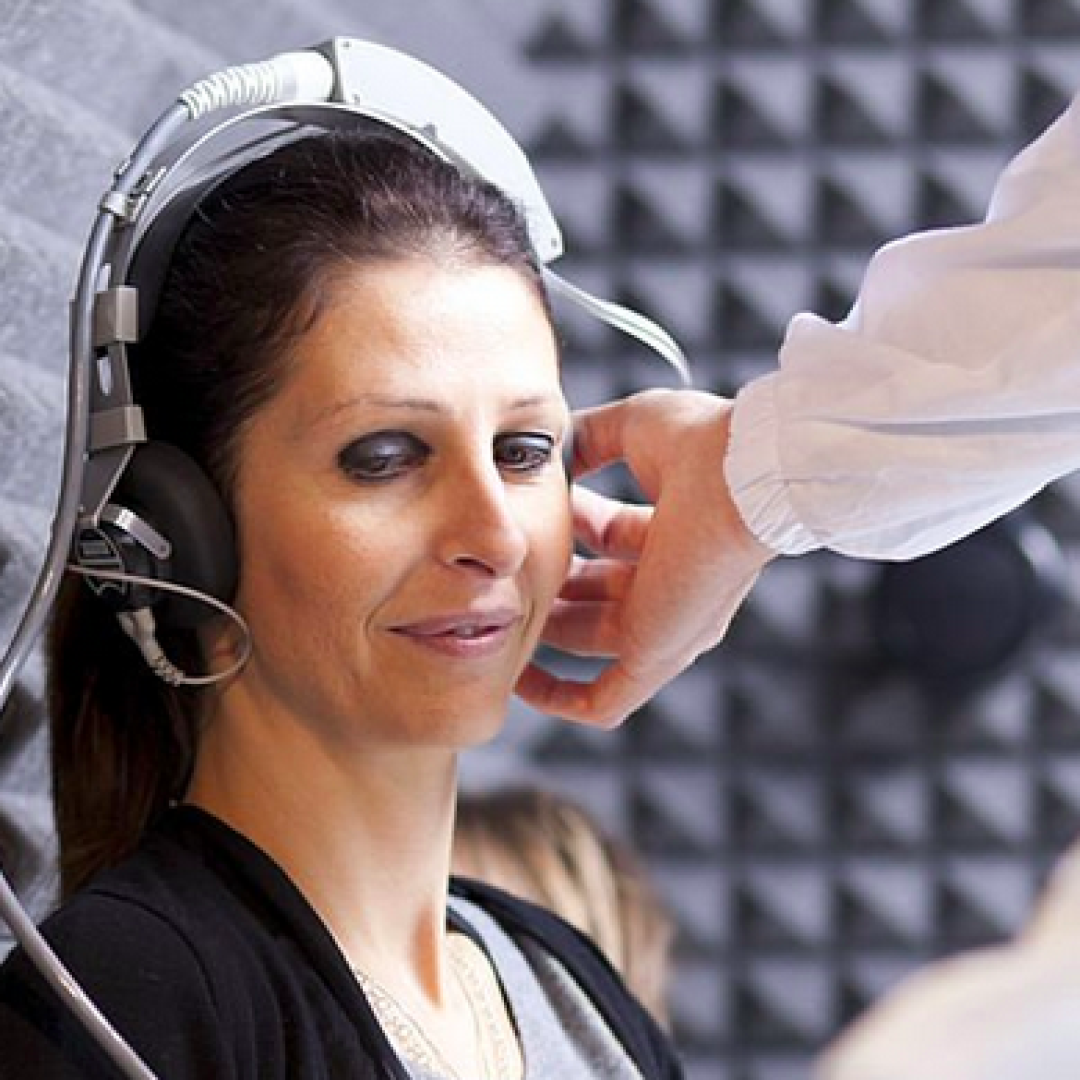
Hearing connects you to every conversation, every milestone, and every person that matters. By partnering with leading hospitals and paediatricians across Mumbai, we provide seamless, expert hearing care ensuring that from a baby’s first days to the golden years of adulthood, no sound goes unheard.
Our Specialized Services
- Newborn Hearing Screening (UNHS):
OAE and AABR testing within the first days of life. Painless, non-invasive, and critically important. Early detection gives your child the best possible start for speech and language development. - Paediatric Audiology & BERA Testing:
Comprehensive diagnostic evaluations for infants and children, including Brainstem Evoked Response Audiometry (BERA) for children who cannot respond to standard tests. We follow the internationally recognised 1-3-6 benchmark. - Adult Hearing Assessments:
Pure Tone Audiometry, Speech Audiometry, and Tympanometry to give you a complete, accurate picture of your hearing health — with clear results and honest guidance. - Hearing Aids & Tinnitus Management —
Personalised hearing aid fittings across all leading global brands, alongside evidence-based tinnitus management and Tinnitus Retraining Therapy (TRT) — tailored to your lifestyle and hearing profile.
Success Stories From Patients Like You
EXCELLENT Based on 228 reviews
 Posted on Google
 Sonal ShindeIt was a great experience dr.debs sir was an excellent doctor with deep knowledge and a very caring approach and treas patient like family he listens carefully answers all questions.highly recommended this place 👍😊Posted on Google
 Dev Gonbareखूप छान डॉक्टर आहेत कानाबाबत आणि कानाचा मशीनच्या बाबत व्यवस्थित माहिती दिली मशीन घ्यावयाची आहे त्यांनी एकदा नक्की भेट द्यावी खूप उपयोगी माहिती आणि मशीन मुळे ऐकायला न येणाऱ्या ना बोरिवली मधील हक्काचे ठिकाण.Posted on Google
 Jayendra ShahI visited હેરે to પૂરચાસેદ the હેરીંગ્ એડ્સ ગોત customized હેરિંગ એડ્સ ફ્રોમ દેબ્સ audiology. Dr ડેબિટ is very professional and exeperniced ડૉક્ટર. I am very happy with the એડ્સ વહીચ dr recommend મેં and i ફોઉન્ડેશન a હુગે ડિફરન્સ આફ્ટર ઉસિંગ hearing એડ્સ thank you🙏Posted on Google
 Sudheer ChavanDr deb has recommended me the hearing aids. It's been now completing 1year using the hearing aids.Really very happy with the aids the one dr deb has recommended me Customized ITC hearing aids . I'm very happy with the service as well. Always got prompt response from clinic. Will highly recommend Debs audiology to anyone who is facing issue regarding hearing problem. Thank you so much dr deb.Posted on Google
 Megha SolankiI recently visited an audiologist due to some hearing concerns and underwent a detailed audiogram. The doctor conducted the test thoroughly and guided me with great clarity on the options for hearing aids. I was impressed by his knowledge and professionalism, and he explained everything in a way that made me feel confident about the next steps. I am extremely happy with the service I received and truly appreciate the expertise and care shown during my visit.Posted on Google
 Freya ShahWe took our two month baby for an OAE hearing test, and the doctor was excellent. He was very gentle, patient, and professional. He explained everything clearly and made us feel at ease. Highly recommended.Posted on Google
 Sapna NirwanI recently visited Debs Audiology for my audiometry test, and I must say the audiologist were very cooperative and well explained me, all my reports. He is Very cooperative. He made the whole experience informative. Staff is also very polite and supportive.Verified by TrustindexTrustindex verified badge is the Universal Symbol of Trust. Only the greatest companies can get the verified badge who has a review score above 4.5, based on customer reviews over the past 12 months. Read more
“The Right Hearing Aids Gave Me My Quality of Life Back”
“A BERA Test Gave Us Answers About Our Baby’s Hearing”
Your Journey with DEB's
1
Book Your
Assessment
2
Comprehensive 60-90
Minutes Testing
3
Get Personalized
Recommendations
4
Precision Fitting
5
Lifetime Support
& Adjustments
In India, anyone can sell hearing aids, but only RCI-certified audiologists are government-authorised healthcare professionals trained to diagnose hearing conditions and determine the right treatment. The difference matters: an audiologist identifies whether you need hearing aids at all, and fits them to your specific hearing profile using clinical verification.
An audiologist is a healthcare professional trained to assess, diagnose, and manage hearing and balance conditions. At DEB's Audiology, every consultation is conducted by an RCI-certified audiologist — not sales staff — so your hearing is evaluated clinically, not commercially.
A comprehensive hearing assessment at DEB's Audiology takes 60-90 minutes and includes pure-tone audiometry (testing your hearing at different pitches), speech audiometry (understanding words in quiet and noise), uncomfortable loudness testing, ear canal examination, middle ear function testing, and detailed medical history and lifestyle discussion. This thoroughness ensures accurate diagnosis and appropriate treatment recommendations.
Yes. DEB's Audiology includes unlimited follow-up appointments, free programming adjustments whenever your hearing changes, annual comprehensive hearing evaluations, auditory training sessions, and counseling for adjustment challenges—all for life at no additional charge. This lifetime partnership ensures your long-term hearing success as your needs evolve over time.
DEB's Audiology partners with the top global manufacturers including Phonak (Switzerland), Widex (Denmark), Oticon (Denmark), Resound (Denmark), Signia (Germany), Starkey (USA), and others. Our technology-agnostic approach means we match brands to your specific hearing loss pattern, lifestyle needs, and budget—not commission structures or exclusive contracts.
Yes, we do offer home-based hearing assessments for patients who are unable to travel due to health, mobility, or other constraints. These visits allow us to provide essential evaluation and guidance in the comfort of your home.
However, for the most accurate results—especially for tests like pure tone audiometry—we recommend clinic-based assessments whenever possible. Our clinic is equipped with a sound-treated room and calibrated equipment, which allow for more precise testing and clearer diagnosis.
When a home visit is needed, we will always explain what can be assessed at home and whether a clinic evaluation may be recommended later for complete accuracy.
Every hearing aid fitting at DEB's Audiology is verified using in-situ audiometry — a measurement taken directly through your hearing aid while it sits in your ear canal. This means your hearing thresholds are measured in your actual ear, accounting for the unique acoustics of your ear canal, rather than relying on averages. The result is a more accurate starting point for programming than standard audiogram-based first-fit settings alone.
Programming is based on your specific audiogram, speech understanding scores, and uncomfortable loudness levels — so every frequency is calibrated to your individual hearing profile.
We then confirm the result using aided audiometry — a hearing test conducted with your hearing aids in place. This gives you and your audiologist objective, measurable evidence that your aided hearing thresholds have improved to the clinical target range. It's not just a subjective impression — it's verified on paper.
Follow-up appointments are included as standard, and we continue fine-tuning based on your real-world listening experiences — at work, at home, in noisy environments — until you're completely satisfied.
Some health insurance policies in India provide partial coverage for hearing aids, particularly for congenital or occupational hearing loss. We recommend checking your policy terms. Our team can provide documentation to support your insurance claim if coverage applies.
Frequently Asked Questions
Don't Just Hear Better. Live Fuller.
Every laugh with a friend. Every conversation that matters. You shouldn’t have to struggle or settle.
Dr. Sarmistha and Dr. Nabarun have helped over 5,000 patients find their right hearing solution – fitted with clinical precision, and backed by lifetime care.
Your first visit includes:
- 60-90 minute comprehensive evaluation
- Clear explanation of your results
- Customized recommendations for your lifestyle
- Zero pressure, just honest expertise
Prefer to speak first? Call or WhatsApp on +91 8850 769 404
Don't Just Hear Better. Live Fuller.
Every laugh with a friend. Every conversation that matters. You shouldn’t have to struggle or settle.
Dr. Sarmistha and Dr. Nabarun have helped over 5,000 patients find their right hearing solution – fitted with clinical precision, and backed by lifetime care.
Your first visit includes:
- 60-90 minute comprehensive evaluation
- Clear explanation of your results
- Customized recommendations for your lifestyle
- Zero pressure, just honest expertise
Prefer to speak first? Call or WhatsApp on +91 8850 769 404